
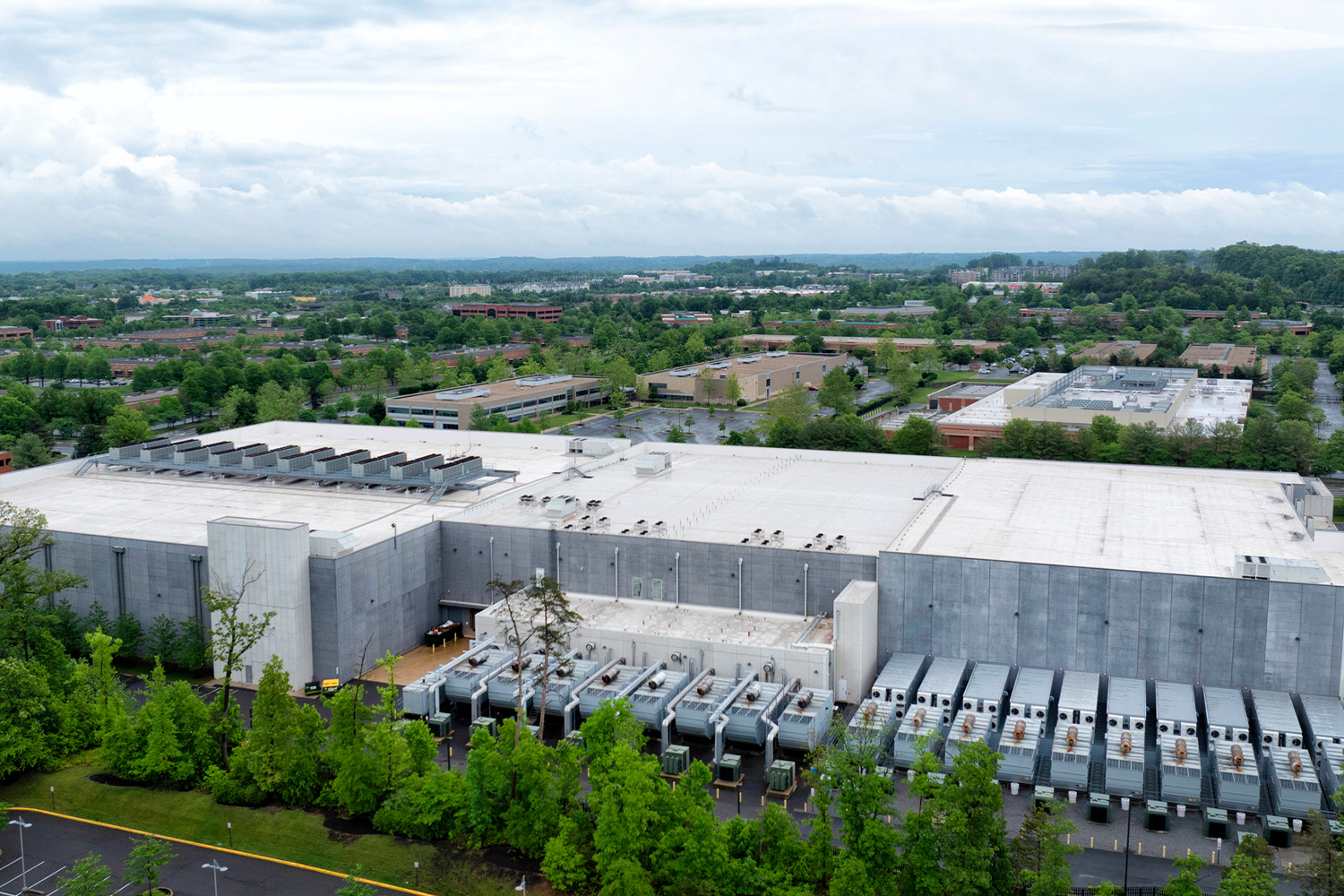
Mobile, Alabama's data infrastructure is shaped by the city's dual identity as a major Gulf Coast port and an advanced manufacturing hub. The Alabama State Port Authority operates extensive IT systems that manage container tracking, customs interfaces, and logistics coordination for one of the largest ports on the Gulf of Mexico, systems that process tens of millions of dollars in cargo movements daily and cannot afford downtime. Airbus's final assembly line for A320-family aircraft at the Mobile Aeroplex at Brookley generates data management requirements typical of aerospace manufacturing, ERP systems, quality management platforms, and production planning tools that link Mobile operations to parent systems in Hamburg and Toulouse. ADSS regional data centers serve the telecom and commercial computing needs of the Gulf Coast market from Mobile's strategically located commercial real estate. Each of these facilities demands commercial roofing systems built for the specific weather risk profile of the northern Gulf Coast.
Mobile's climate combines the humidity of the subtropical Gulf Coast with a significant hurricane risk that differentiates it from most inland US data center markets. The city receives over 67 inches of annual rainfall, among the highest of any major US city, with intense summer thunderstorms that can deposit 3–5 inches in a single afternoon event. Hurricane season from June through November brings the potential for major storm systems, and Mobile's position near the head of Mobile Bay creates surge risk that has historically been amplified by coastal geography. Wind speeds during tropical storm or Category 1 events regularly exceed 75 mph in Mobile, with stronger events producing winds that test roofing system wind uplift resistance to its designed limits.
The combination of high rainfall and high humidity creates a persistent vapor management challenge for Mobile's data center operators. Exterior dew points frequently exceed 75°F during Mobile summers, creating inward vapor drive against data center building envelopes, the same subtropical vapor reversal seen in Miami and other Gulf Coast markets. Roofing systems must incorporate vapor retarders on the exterior (warm) side of insulation, and any roofing assembly repairs must maintain this vapor control layer continuity. Contractors from northern markets who apply cold-climate vapor retarder logic to Mobile data center roofing projects can create long-term moisture problems that manifest years after project completion.
Airbus Mobile's manufacturing data systems create a unique critical facility profile. Aerospace manufacturing requires continuous connectivity to supply chain partners, design databases, and certification documentation systems that operate under FAA and EASA regulatory frameworks. A building envelope failure that interrupts production computing at the Brookley facility creates ripple effects in global supply chains that extend far beyond Mobile. Airbus's facilities standards reflect European aerospace industry building quality expectations, which often exceed US commercial building code minimums in areas like wind resistance, drainage engineering, and structural capacity for rooftop equipment.
The Alabama State Port Authority's IT infrastructure is integral to the movement of agricultural commodities, chemicals, steel, and manufactured goods through the Port of Mobile, the only US deep-water port on the Gulf with direct rail access to three Class I railroads. Port operations run 24/7, and computing systems that track cargo, manage berth scheduling, and interface with US Customs and Border Protection must maintain continuous operation. Roofing contractors serving port authority facilities must understand the heightened consequence environment and be prepared to coordinate work around port operational schedules that cannot be paused for building maintenance activities.
Wind uplift engineering for Mobile data center roofing must account for the city's proximity to Gulf storm tracks. ASCE Mobile in a zone with design wind speeds substantially higher than inland southern cities, and data center facilities classified as Risk Category III or IV under the building code, appropriate for facilities whose failure would substantially affect communities dependent on them, face even higher design wind pressures. Roofing systems must use tested and approved assemblies for these higher design pressures, with enhanced fastening at perimeter and corner zones and equipment curbs engineered as integral parts of the wind-resistant roof assembly.
Cool roofing is an energy efficiency priority in Mobile's hot, humid climate. The city averages over 220 days per year with temperatures above 70°F, and summer cooling loads in data centers are driven by both internal heat loads from computing equipment and external solar heat gain through the roof. High-reflectance white TPO or coated roofing systems reduce roof surface temperatures by 60–80°F compared to conventional dark membranes, directly reducing chiller load in facilities where cooling energy can represent 40–50% of total electricity consumption. The return on investment for cool roof specifications in Mobile's climate is measurable within the first few years of installation.
Mobile's growth as an advanced manufacturing center, with Airbus, the shipbuilding industry, and automotive suppliers clustered in the metro, has created demand for data center colocation services that serve manufacturing operations throughout the region. ADSS regional facilities and similar operators have expanded their capacity in response to this demand, and the new construction and expansion projects they are undertaking represent significant opportunities for commercial roofing contractors who understand mission-critical building envelope requirements. The standards for these new facilities are set by the manufacturing clients they serve, which means building quality expectations are higher than those typical of general commercial or light industrial roofing work.
Gulf seafood processing and cold chain logistics in Mobile create proximity to data center clients with specialized food safety IT requirements, but the roofing implications for data facilities in this sector are similar to those for other mission-critical applications: continuous operation, moisture-resistant envelopes, and rapid response service availability during the hurricane season when weather events can damage roofing systems and disrupt operations simultaneously. Contractors who maintain emergency response capability through hurricane season, with materials staged, crews available, and emergency repair protocols established, provide a service value that is difficult to price but immediately apparent when a storm event requires rapid facility assessment.
Preventive maintenance programs for Mobile data center roofs should include pre-hurricane season inspections in May to identify and repair any membrane vulnerabilities before storm season begins, post-storm inspections after any tropical weather event, and annual drainage system verification to ensure that Mobile's extreme rainfall volumes are managed without ponding that creates progressive loading or freeze risk during rare cold events. Contractors who build year-round maintenance relationships with data center clients in Mobile are better positioned to respond quickly when storm damage requires emergency repairs, and their familiarity with facility access protocols makes emergency response faster and more effective.
Frequently Asked Questions: Data Center Roofing in Mobile, AL
- What hurricane preparation should Mobile data center roofs undergo each spring?
- Pre-hurricane season inspections in May should verify seam integrity, condition of all penetration and parapet flashings, drainage system functionality, and secure attachment of any rooftop equipment that could become wind-borne debris. Any identified vulnerabilities should be repaired before June 1. Contractors should provide facility operators with a documented pre-storm assessment that becomes part of the facility's hurricane preparedness record. Post-storm inspection protocols should be established in advance so damage assessments can begin within hours of a storm passing.
- How does vapor drive work differently in Mobile than in northern US data centers?
- Mobile's hot, humid subtropical climate creates inward vapor drive, moisture pressure pushing from the hot exterior into cooled building interiors, during the majority of the year. Unlike northern markets where vapor retarders go on the warm interior side of insulation, Mobile data center roofing assemblies should place vapor retarders on the exterior warm side. Contractors applying northern cold-climate vapor retarder logic to Mobile projects can create moisture accumulation problems within insulation layers that degrade performance and create biological growth risk.
- What wind uplift standards apply to data center roofing in Mobile?
- Mobile falls within an elevated wind speed zone under ASCE 7, with design wind speeds reflecting the city's Gulf Coast exposure. Data center facilities classified as Risk Category III or IV face higher design wind pressures than standard commercial buildings. Roofing systems must be selected and installed using tested assemblies approved for these design pressures, with enhanced fastening at perimeters and corners and equipment curbs engineered as integral wind-resistant components, not standard commercial curb details.
- How does Airbus's European facilities standard affect local roofing specifications?
- Airbus applies European aerospace industry building quality expectations that often exceed US commercial building code minimums in areas like wind resistance, drainage engineering, and documentation requirements. Contractors bidding Airbus facilities work should expect more rigorous specification requirements, third-party inspection protocols, and documentation standards than they typically encounter in standard US commercial work. Meeting these standards requires investment in quality management and documentation capability but creates access to a client whose facilities management relationships are durable and professionally managed.
- What drainage capacity should Mobile data center roofs be designed for?
- Mobile's intense summer rainfall, with storm events capable of delivering 3–5 inches per hour, requires primary and overflow drainage systems sized for peak intensity values well above those used for most US cities. Drain inlets must be maintained clear of debris from Mobile's mature urban tree canopy, and overflow scuppers must be set at proper heights to provide emergency drainage capacity during extraordinary events. Annual drainage system inspection and clearing should be a mandatory line item in every Mobile data center maintenance contract.