
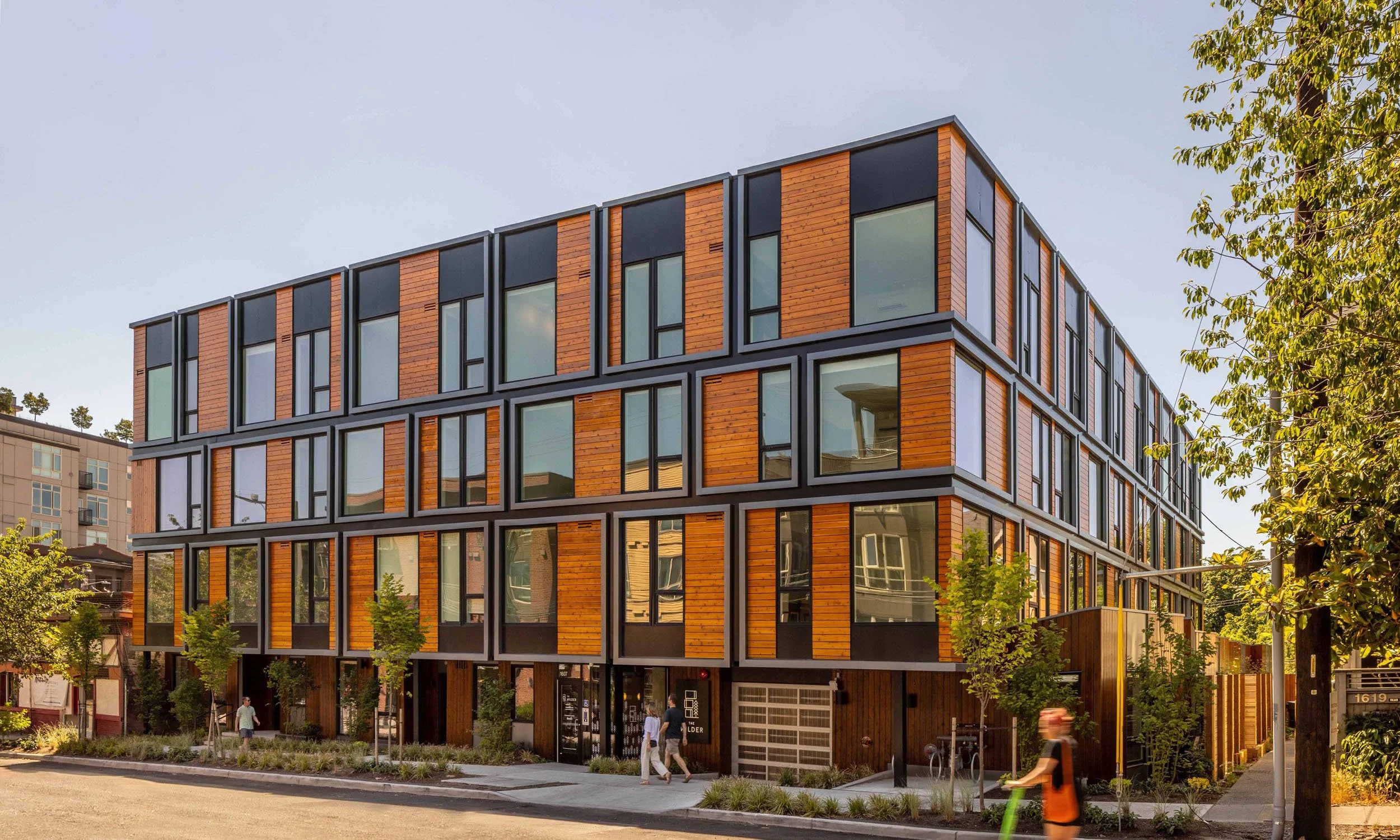
Fairfield Neighborhood's Pavilion at Springhill apartment community in west Mobile, and the Greystar-managed properties along Airport Boulevard, represent the scale of multifamily roofing demand in a Gulf Coast market where residents are in their homes year-round and hurricane season imposes extraordinary obligations on property managers and roofing contractors alike. Mobile's multifamily stock faces a roofing environment shaped by hurricane wind uplift, the subtropical humidity that accelerates mold growth behind any moisture infiltration, and the occupied scheduling constraints that make every tear-off decision a judgment about resident impact versus risk exposure.
Occupied scheduling for a Mobile multifamily re-roofing project begins with a formal notification process that satisfies Alabama's landlord-tenant law requirements and the property management company's standard operating procedures. Fairfield Neighborhood's corporate notification protocol requires thirty days' written notice to residents before any roofing work begins that will create construction noise or require access to balconies or exterior stair towers adjacent to work areas. Smaller independent property managers in Mobile may have less formal protocols, but the Alabama Landlord and Tenant Act's habitability provisions require that residents receive reasonable notice of any work that affects their reasonable use and quiet enjoyment of the leased premises. Failure to provide adequate notice is the single most common source of tenant complaints on Mobile multifamily roofing projects.
HOA and property management coordination at Mobile's condo and mixed-ownership multifamily buildings requires a different approach than at single-owner apartment complexes. If any units in the community are individually owned, the HOA board must approve the re-roofing project and the assessment method for funding it before any work begins. Mobile County's condominium governance requirements follow Florida's model in several respects because of the shared Gulf Coast insurance market, and the documentation required for an insurance claim-driven re-roofing project includes a board resolution, a licensed contractor's detailed scope of work, and a signed contract, all of which must be in place before the insurer's adjuster will issue a scope-of-work approval.
Fire rating requirements for Mobile multifamily roofing are governed by the International Building Code as adopted by Alabama, which requires Class A fire-rated roofing assemblies on most multifamily occupancies above two stories. The membrane and insulation system specified for a Mobile apartment complex must carry an Underwriters Laboratories or FM Global Class A fire rating for the specific assembly. A sixty-mil TPO membrane over polyisocyanurate insulation with a code-compliant cover board typically achieves Class A rating, but the specific combination must be confirmed against the applicable UL or FM listing before the assembly is specified. Contractors who assume a membrane's fire rating without verifying the complete assembly listing create a code compliance liability for the property owner.
Balcony waterproofing is a persistent source of moisture infiltration and structural damage at Mobile multifamily buildings. The subtropical humidity and heavy rainfall that characterize Mobile's climate accelerate the deterioration of balcony membrane systems at the transition from the balcony deck to the exterior wall, where improper flashing allows water to migrate behind the wall cladding and into the framing. Any multifamily re-roofing project in Mobile that includes balcony deck areas should evaluate the waterproofing condition at the wall-to-deck transition and the drain or scupper detail at each balcony edge. Re-waterproofing balcony decks simultaneously with the main roof replacement eliminates the coordination problem that occurs when different contractors are responsible for the two interconnected systems.
Notice requirements for hurricane season work on Mobile multifamily properties create scheduling constraints that are unique to the Gulf Coast market. Greystar's and Fairfield's corporate protocols require that any exterior roofing work scheduled during the June through November hurricane season include a documented hurricane preparedness plan showing how open areas and staged materials will be secured within six hours of a tropical storm watch issuance. Residents must be notified at the start of the hurricane season if any roofing work will be occurring or is planned during that period, and the notification must include emergency contact information for the property management office and the roofing contractor. This documentation requirement is in addition to the standard pre-construction resident notification.
Storm claim processing is the most common trigger for multifamily re-roofing in the Mobile market. When a named storm or severe thunderstorm produces hail or high-wind damage to a Mobile apartment complex, the property management company must file a claim promptly and retain a qualified roofing contractor to prepare the damage documentation that the insurance adjuster requires. The documentation should include aerial and ground-level photography of the damage, a written scope of work from the roofing contractor that distinguishes storm-caused damage from pre-existing conditions, and a hail-stone diameter report from the National Weather Service or a certified meteorologist. Insurance adjusters in the Mobile market will frequently dispute pre-existing condition characterizations if the documentation is not sufficiently detailed and professionally prepared.
Hurricane wind uplift is the dominant structural roofing specification criterion for Mobile multifamily buildings. Alabama's coastal building code requires wind uplift assemblies consistent with the applicable wind speed zone, and Mobile County's multifamily building stock includes properties built under pre-hurricane-era codes that do not meet current uplift requirements. Any re-roofing project on a pre-2000 Mobile multifamily building should include a wind uplift assessment of the existing deck fastening and substrate condition to determine whether the deck is adequate for the new assembly's required fastener density. A deck that fails the assessment may require supplemental fastening or replacement before the new membrane assembly can be installed to the required standard.
Choosing a roofing contractor for a Mobile multifamily re-roofing project means verifying their Alabama contractor license, their FM Global or wind-uplift approval documentation, and their specific experience with occupied multifamily projects in the Gulf Coast market. Property management companies like Greystar and Fairfield maintain approved contractor lists that require documented experience, insurance limits, and safety certifications before any contractor is allowed to work on their managed properties. Contractors seeking to work on Mobile multifamily projects managed by national companies should contact the regional facilities management office well in advance of any specific project to understand the prequalification requirements.
- What notice must be given to residents before a Mobile apartment re-roofing project?
- Alabama's landlord-tenant habitability provisions require reasonable notice before work affecting residents' quiet enjoyment. Major property managers like Greystar and Fairfield require thirty days' written notice to residents. For hurricane-season work, residents must also receive notification of the contractor's hurricane preparedness plan and emergency contact information at the start of the season.
- What fire rating is required for Mobile multifamily roofing?
- Alabama's adopted IBC requires Class A fire-rated assemblies on most multifamily occupancies above two stories. The complete assembly, membrane, insulation, cover board, and deck, must carry a UL or FM Global Class A listing. Verify the assembly listing for the specific combination of materials specified, not just the membrane alone.
- How should balcony waterproofing be addressed during an apartment re-roofing project in Mobile?
- Evaluate the condition of wall-to-deck transition flashings and balcony drain or scupper details during the main roof assessment. Re-waterproofing balcony decks simultaneously with the main roof replacement eliminates coordination problems and ensures that both interconnected systems are addressed in a single warranty period under a single contractor's responsibility.
- How is insurance storm claim documentation prepared for a Mobile apartment complex?
- Documentation should include aerial and ground-level photography of damage, a written scope of work distinguishing storm damage from pre-existing conditions, and a hail-stone diameter report from the National Weather Service or a certified meteorologist. Detailed professional documentation is essential, Mobile adjusters routinely dispute pre-existing condition characterizations in undocumented claims.
- What wind uplift assessment is needed before re-roofing a pre-2000 Mobile apartment building?
- A wind uplift assessment of the existing deck fastening and substrate condition is required to determine whether the deck meets current uplift requirements. A deck that fails may require supplemental fastening or replacement before the new assembly can be installed to the standard required by Alabama's coastal building code and the membrane manufacturer's warranty.