
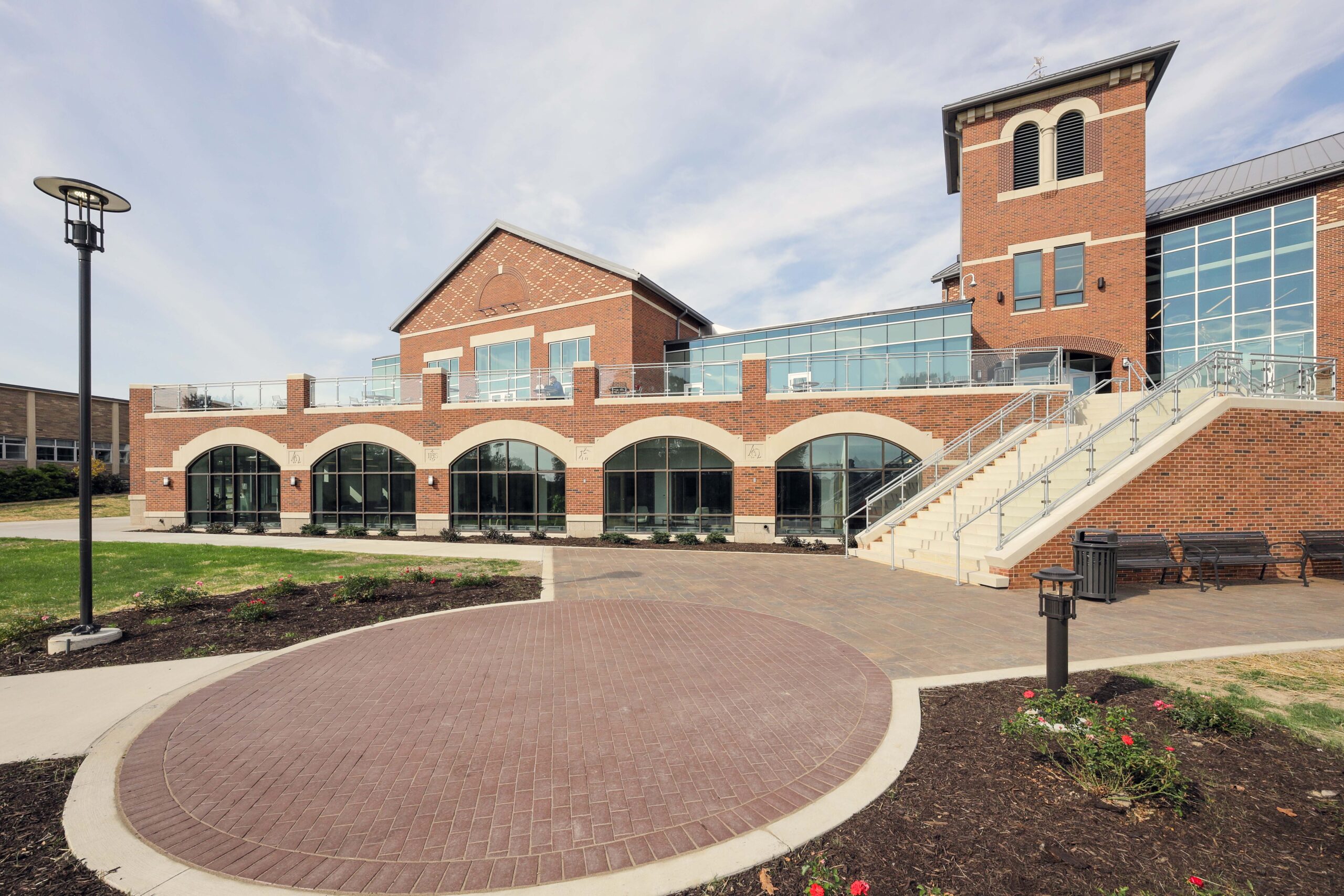
The University of South Alabama's main campus in Mobile occupies a sprawling suburban landscape of academic, research, and healthcare buildings that collectively represent one of the most complex commercial roofing portfolios on the Gulf Coast. USA Health's hospital complex, the College of Engineering and the Mitchell College of Business, along with the neighborhood life facilities that house thousands of students, all require roof maintenance and replacement programs coordinated with the academic calendar, the hospital's patient care mission, and the university's long-term capital improvement plans. Mobile's roofing contractors who serve higher education institutions understand that university facilities management operates on a different decision-making timeline and political dynamic than private sector commercial property.
Semester scheduling is the master constraint on all roofing work at the University of South Alabama. The academic year runs from late August through early May, leaving a narrow summer window, approximately twelve weeks, when full building access is available without disrupting classes, laboratory research, or student living spaces. Roofing contractors who want to maintain long-term relationships with USA's facilities team must demonstrate the capacity to mobilize large crews quickly when summer begins and to execute complex projects within compressed timelines that cannot be extended into the fall semester regardless of weather or unforeseen conditions.
Historic buildings on the University of South Alabama campus, including several structures in the historic district near the original campus core, require roofing approaches that respect architectural character while meeting modern performance standards. Slate roofing on historic academic buildings cannot simply be replaced with single-ply membrane when it reaches end of life; replacement in kind or with an approved historic substitute requires coordination with Alabama's State Historic Preservation Office and may require review by the university's architectural standards committee. Contractors serving USA must be familiar with historic roofing restoration techniques and with the approval processes that govern modifications to historically designated campus structures.
LEED certification is a goal for new construction and major renovation projects at the University of South Alabama, and roofing plays a meaningful role in achieving LEED points across several categories. Cool roof products contribute to the Sustainable Sites credit for heat island reduction, high-R insulation contributes to the Energy and Atmosphere credits, and recycled-content roofing materials can contribute to the Materials and Resources credits. Contractors preparing specifications for university re-roofing projects should be familiar with the LEED credit requirements and should proactively identify roofing product options that maximize the LEED contribution of their scope.
Research laboratory roofing at USA presents specific challenges related to sensitive equipment and precise environmental control requirements. Research buildings housing electron microscopes, mass spectrometers, and other vibration-sensitive instruments cannot tolerate roofing vibration during installation, and contractors working on these buildings must use installation methods that minimize impact and vibration transmission. Laboratory HVAC systems with precise humidity and temperature control cannot be taken offline during roofing work without disrupting active research, requiring careful coordination with the building's mechanical systems operator before any rooftop HVAC work is scoped or scheduled.
The University of South Alabama's healthcare facilities present roofing requirements that combine the complexity of an active hospital with the capital planning constraints of a public university. USA Health's hospitals cannot be taken offline, and any roofing work that could affect hospital operations must be coordinated with the hospital's facilities management and infection control teams. HVAC penetrations serving sterile environments require special attention during roofing work to prevent particulate intrusion, and temporary covers over all air intakes are standard protocol during any rooftop work near hospital air handling units.
Gulf Coast hurricane exposure is a year-round planning factor for the University of South Alabama's facilities team. Campus buildings must meet Alabama's adopted wind load requirements, and re-roofing projects provide the opportunity to upgrade older buildings to current wind uplift standards. The university's emergency preparedness plan includes specific provisions for roof damage response after tropical events, and the facilities team maintains relationships with multiple roofing contractors to ensure that storm response capacity is available regardless of whether any individual contractor is at capacity following a regional storm event.
Campus programs for sustainable building operation, including USA's sustainability initiatives and participation in Association for the Advancement of Sustainability in Higher Education (AASHE) benchmarking, create institutional demand for roofing products and practices that contribute to measurable sustainability outcomes. Solar-ready roof designs that accommodate future photovoltaic installations, high-solar-reflectance membranes that reduce urban heat island contribution, and vegetated roofing on selected buildings that contribute to stormwater management goals are all part of the sustainability-informed roofing program that USA's facilities team is developing in alignment with the university's long-term master plan.
Long-term capital planning for the University of South Alabama's roofing portfolio benefits from a centralized roof asset management program that tracks the age, condition, warranty status, and replacement timeline for every roof section on campus. This program allows the facilities team to present accurate multi-year capital needs projections to university administration and the state funding authorities whose approval is required for capital projects above certain thresholds. Facilities teams that can present a well-documented, credible capital plan consistently have better success securing funding before roofs reach emergency condition than those who are responding to failures reactively.
- How does the University of South Alabama coordinate major roofing projects with the academic calendar?
- The facilities team maintains a multi-year project calendar that reserves summer access windows for major roofing projects and schedules contractor mobilization to begin immediately after spring commencement. Projects requiring building access during the academic year are limited to work that can be conducted without building entry, or are confined to non-classroom, non-laboratory buildings where the academic calendar impact is minimal. Emergency repairs are handled on a 24/7 basis regardless of calendar with pre-approved emergency response contractors.
- What LEED credits can roofing products contribute to at a University of South Alabama building project?
- Roofing can contribute to LEED credits including Sustainable Sites SS Credit: Heat Island Reduction (cool roof products with SRI of 82 or higher for low-slope), Energy and Atmosphere EA Prerequisite and Credit (high-R insulation reducing heating and cooling loads), and Materials and Resources MR Credits (recycled content materials, products from regional manufacturers, and EPD-documented products). The specific applicable credits depend on which LEED rating system and version is being pursued for the project.
- How should roofing contractors manage vibration around research laboratory buildings at USA?
- Pre-project coordination with the research building's facility manager should establish which spaces contain vibration-sensitive equipment and what the acceptable vibration limits are during roofing work. Installation methods that minimize impact loading, fully-adhered systems applied with adhesive rather than mechanically fastened, and cutting equipment that uses heat or solvent rather than mechanical impact, should be specified in vibration-sensitive zones. Continuous vibration monitoring during installation provides documentation of compliance with established limits.
- What process is required for re-roofing a historically designated building on the USA campus?
- Historically designated buildings require coordination with the Alabama State Historic Preservation Office (SHPO) when alterations to exterior character-defining features are proposed. Roofing is typically considered a character-defining feature for buildings where the roof material is visible from public vantage points or where the roof type is integral to the historic character. The SHPO review process involves submitting a description and photographs of the proposed work and receiving a letter of determination before proceeding. Some projects may also require an environmental review under Section 106 of the National Historic Preservation Act if federal funding or permits are involved.
- What are the most important roofing considerations for USA Health hospital buildings in Mobile?
- Hospital roofing must prioritize zero-tolerance performance for water intrusion, infection control during construction, and HVAC system protection. All work near hospital air intakes must be coordinated with infection control and performed with temporary air intake covers. Roofing materials must not contain biocides or other compounds that could affect indoor air quality through HVAC systems. Project scheduling must be coordinated with the hospital's facilities team to avoid conflicts with patient care activities, and an emergency response protocol must be established before work begins to address any unexpected conditions that arise during construction.