
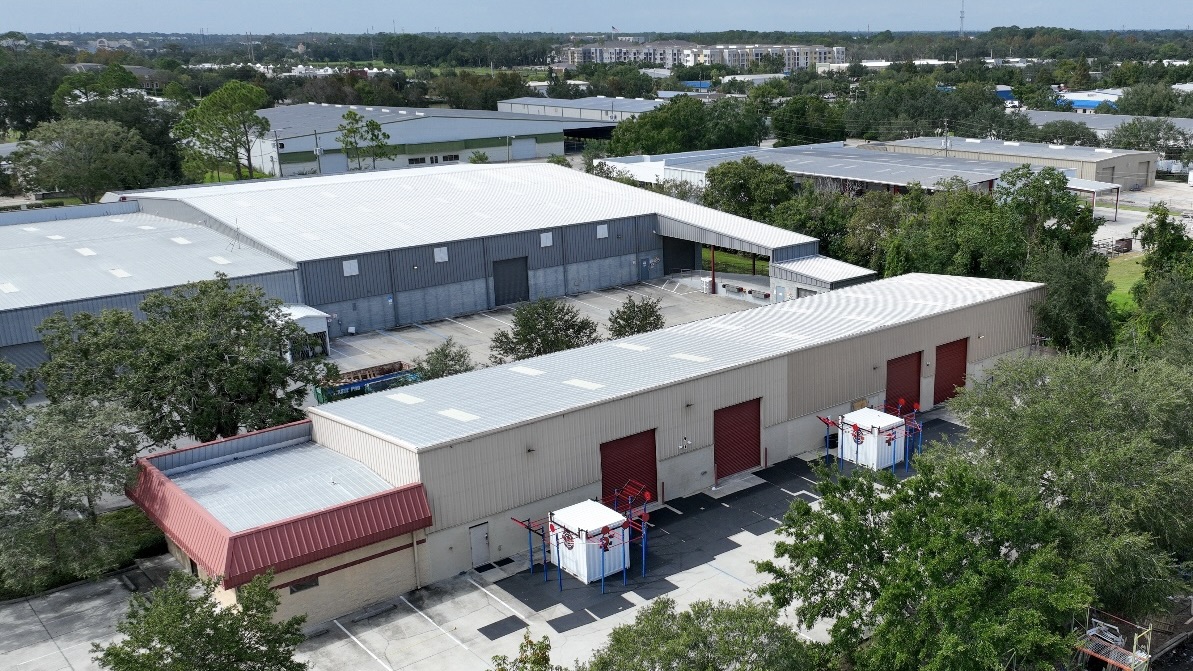
Fewer Interruptions Is the Product
A roof leak in an operating building is never just a roof problem. It is a production line stopped while poly sheeting goes over the equipment, a stockroom crew moving pallets at midnight, a dining section roped off on a Friday night, a tenant asking about rent credit. The repair invoice is usually the smallest number on the whole incident. What a service agreement actually sells is not roof work, it is fewer interruptions, shorter ones, and almost none of the surprise variety.
Downtime Is the Real Roof Expense
Owners track roof spending in repair invoices, but the losses that hurt come from operations: wet inventory written off, floor area closed while the deck dries, overtime cleanup shifts, and the slip hazards no operations manager in Mobile wants anywhere near a loading dock. Distribution space by the port, medical suites where one wet ceiling tile takes a room out of service, restaurants and retail along the Airport Boulevard corridor, every one of them loses more to the interruption than to the membrane.
Two Visits a Year, Timed to the Gulf Calendar
The agreement puts a crew on your roof twice a year on a standing schedule. The early-summer visit lands ahead of hurricane season: edge metal and terminations checked against uplift, sealants and flashings tightened, field defects closed, and every drain and scupper cleared so a tropical downpour leaves the roof instead of ponding over the laps. The second visit follows the season, we document what the storms did while the evidence is fresh, and the roof goes into the mild months with a clean report.
Each visit is working time. Small repairs, splits, blisters, open laps, lifted flashing, get closed on the spot rather than written up for a second mobilization, and a photo report follows within two business days: what was found, what was fixed, and what to plan for before the next visit.
The climate here does not leave much slack: sixty-plus inches of rain a year, salt air off the bay working on fasteners and edge metal, and summer heat cycling the membrane every afternoon. On that kind of schedule an unserviced detail does not stay minor for long, which is why the visit dates hold whether or not anything looks wrong from the parking lot.
Visits That Respect an Operating Schedule
Service gets scheduled with the operation in view, delivery windows, shift changes, tenant hours, weekend closures. The crew arrives knowing the access route, the roof layout, and which tenants sit under which sections, because it is the same crew that walked it last time. And when something does fail, a wind-peeled corner, a clogged drain in a July downpour, agreement holders go to the front of the emergency queue. Faster dry-in means less interruption, and the crew spends the emergency fixing the roof instead of learning the building.
Service Agreement Questions
Will service visits interrupt our tenants or operations?
No. The work happens on the roof, access is coordinated in advance, and visits are scheduled against your calendar, delivery windows, tenant hours, clinic schedules. Most buildings never notice we were there.
What happens when a named storm is approaching?
Agreement roofs are already in pre-season condition, drains clear, terminations sealed, known defects closed. As a system approaches, agreement buildings get priority for pre-landfall checks as scheduling allows, and after landfall they are first in line for tarp and dry-in response.
Can one agreement cover several buildings or tenant spaces?
Yes. Multi-building owners get one schedule, per-building photo reports, and a single point of contact, which matters when different tenants sit under different roofs and every call otherwise starts from zero.
How fast is emergency response for agreement holders?
Agreement buildings jump the dispatch queue. Because the crew already knows the roof, the access, and the layout, dry-in usually happens on the first trip instead of after a separate assessment visit.